
Blog
Stories from a decade of taking a real public-school class outside. Every post sits in one of three categories, so you can read at the stage you are at. Not sure which that is? Start on the home page, which sorts it out in a minute.
Starting Out
Teacher-guided. New to teaching outside, whatever your years in the classroom.
-
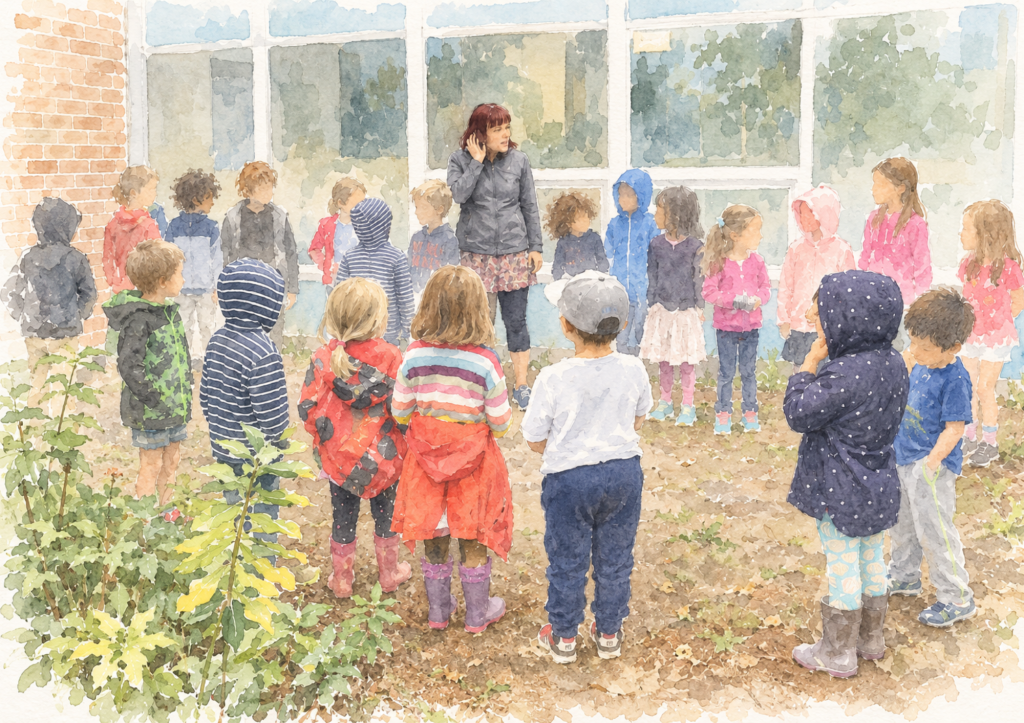
A listening walk is a slow, silent 20-minute walk where students only listen, then name what they heard. No equipment, any weather, any schoolyard.
-
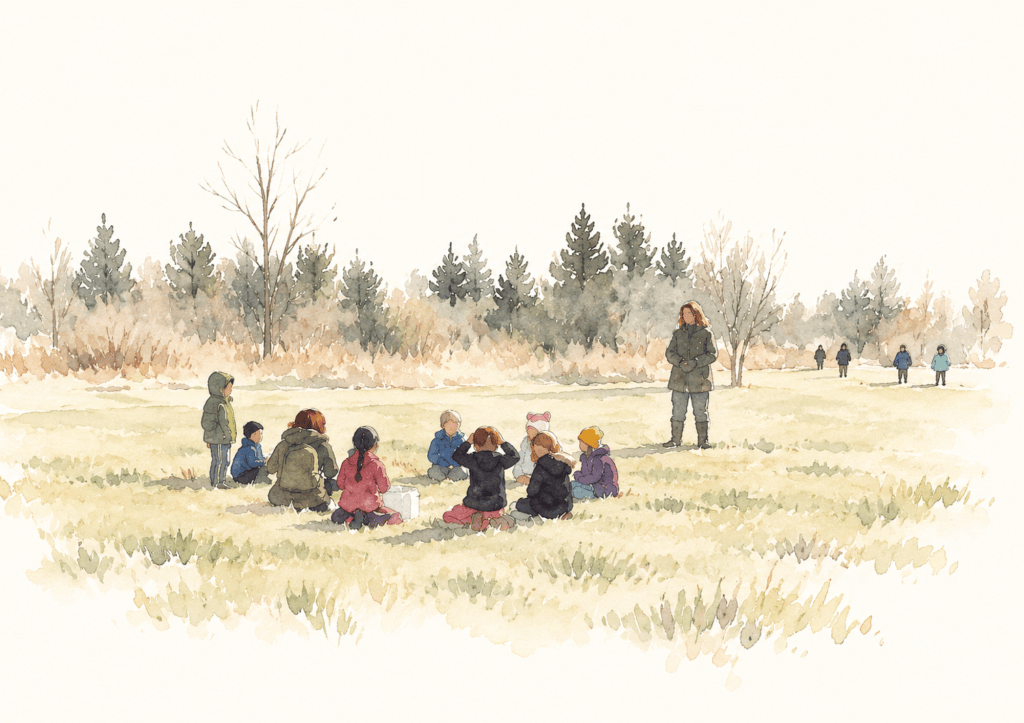
Place-based learning means teaching in, about, and from the place your students already live. What it is, why the schoolyard counts, and where to start.
-
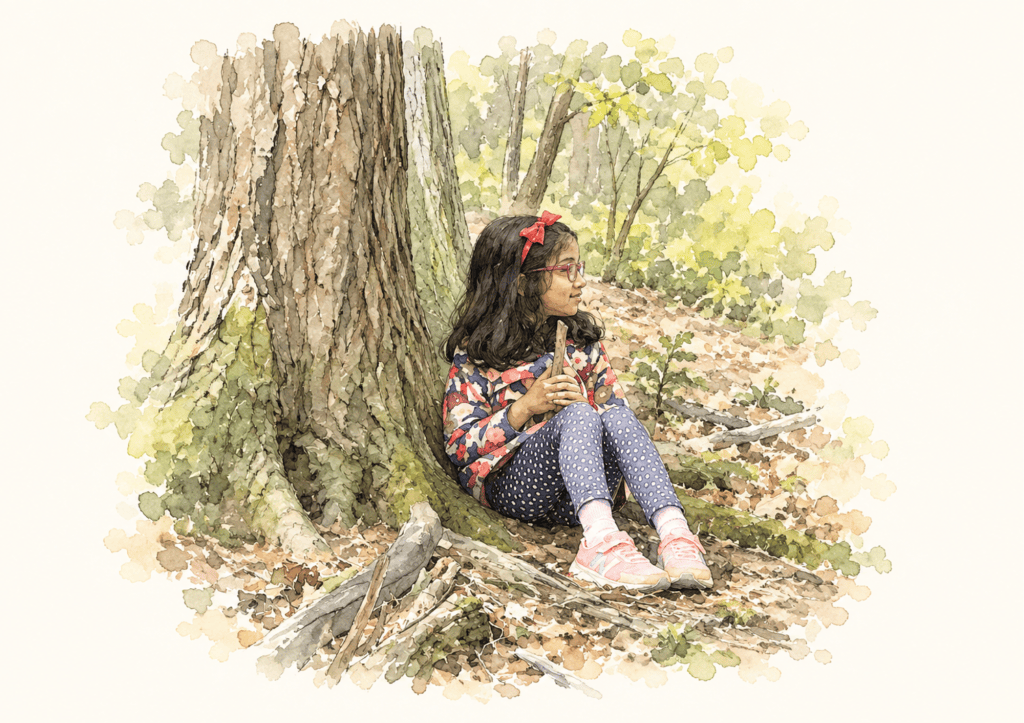
A sit spot is a spot outside a student returns to, quiet enough to notice what’s around them. What it is, how long to start,…
Going Further
Inquiry. You have been out a few times and are willing to let a session go somewhere you did not plan.
-
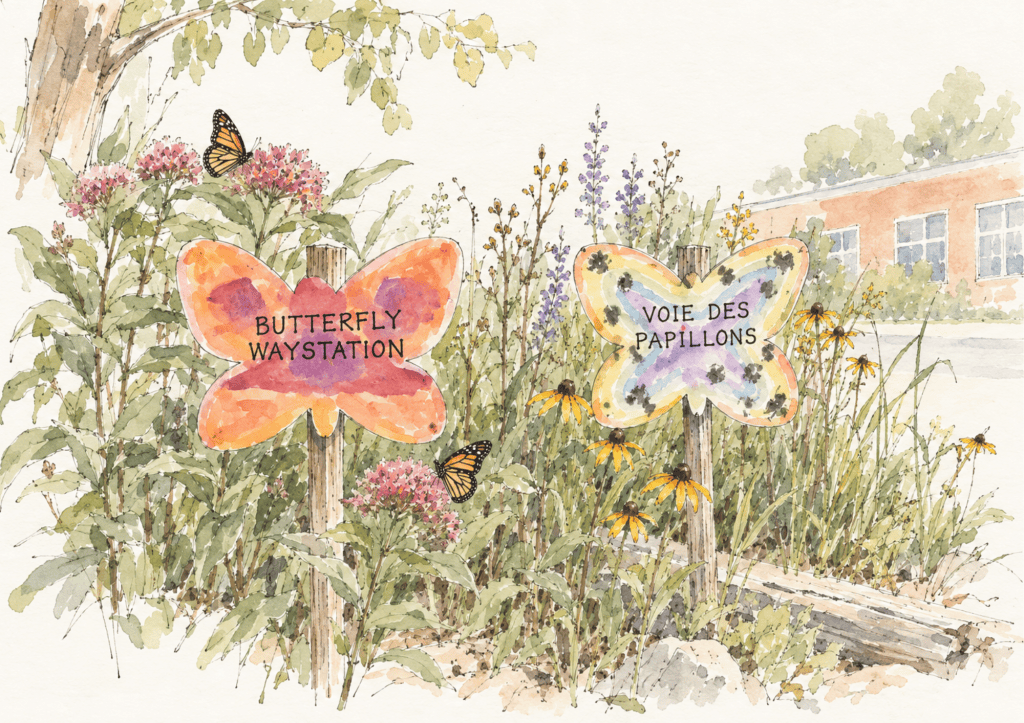
Young students do not need the climate crisis explained. Give them one place they love and one real action. How to teach sustainability without the…
-
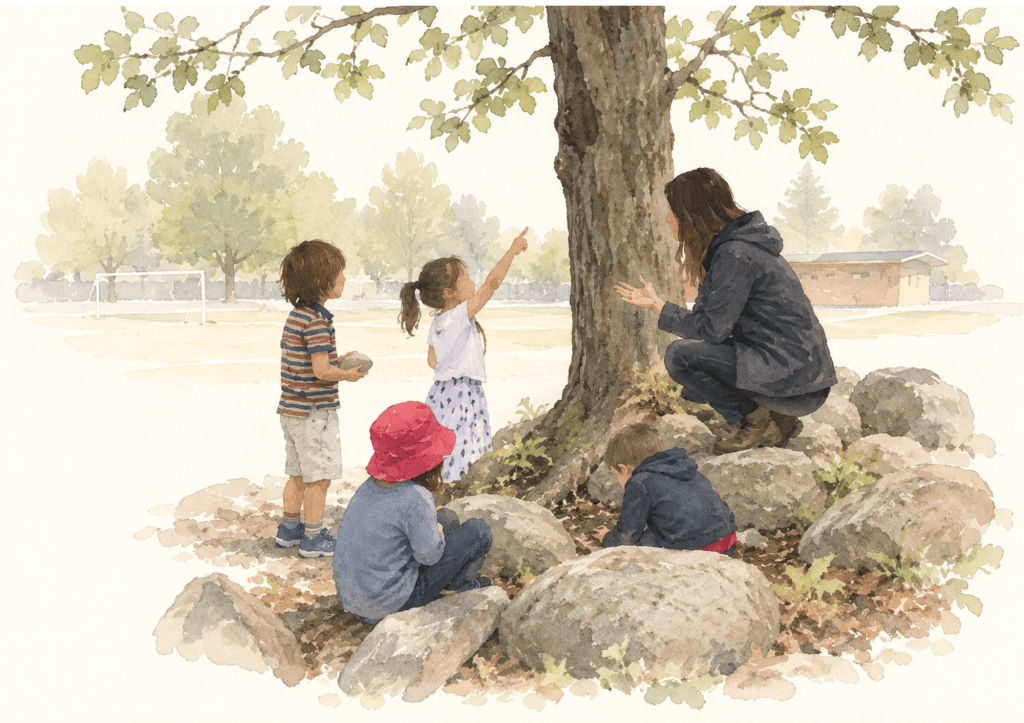
My French Immersion students were reluctant to take risks, in play and in French. What the research says about risky play and willingness to communicate,…
-
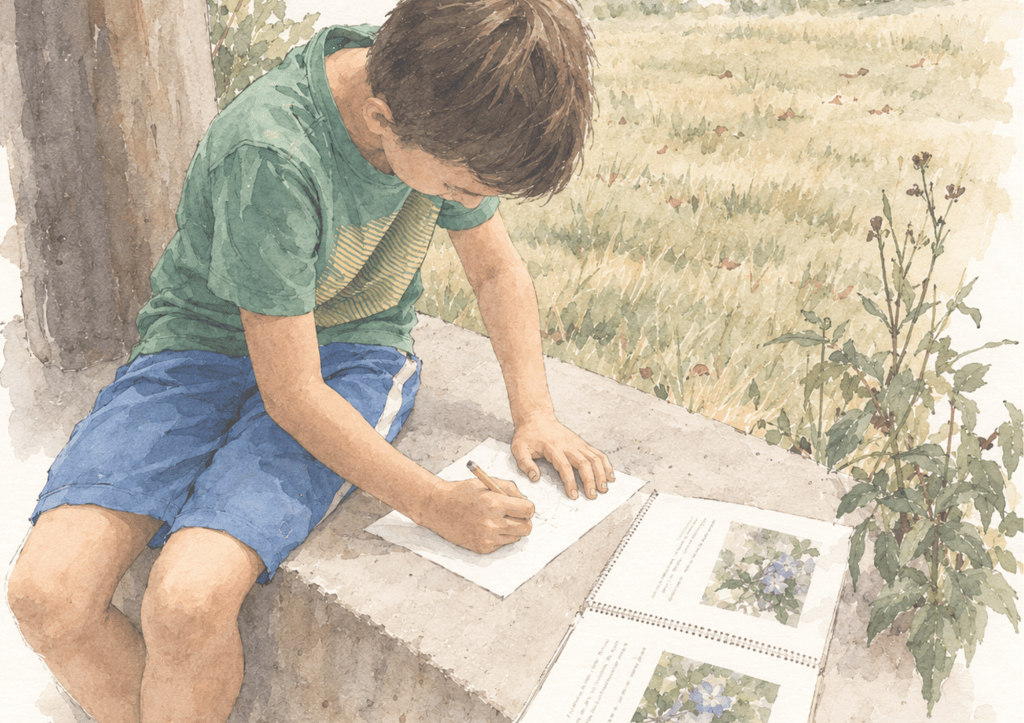
Environmental inquiry starts with a student’s real question about the natural world. What it is, what the teacher does, and where Natural Curiosity fits.
Digging Deeper
Student-led. Asking the harder questions and taking ownership of the learning.
-
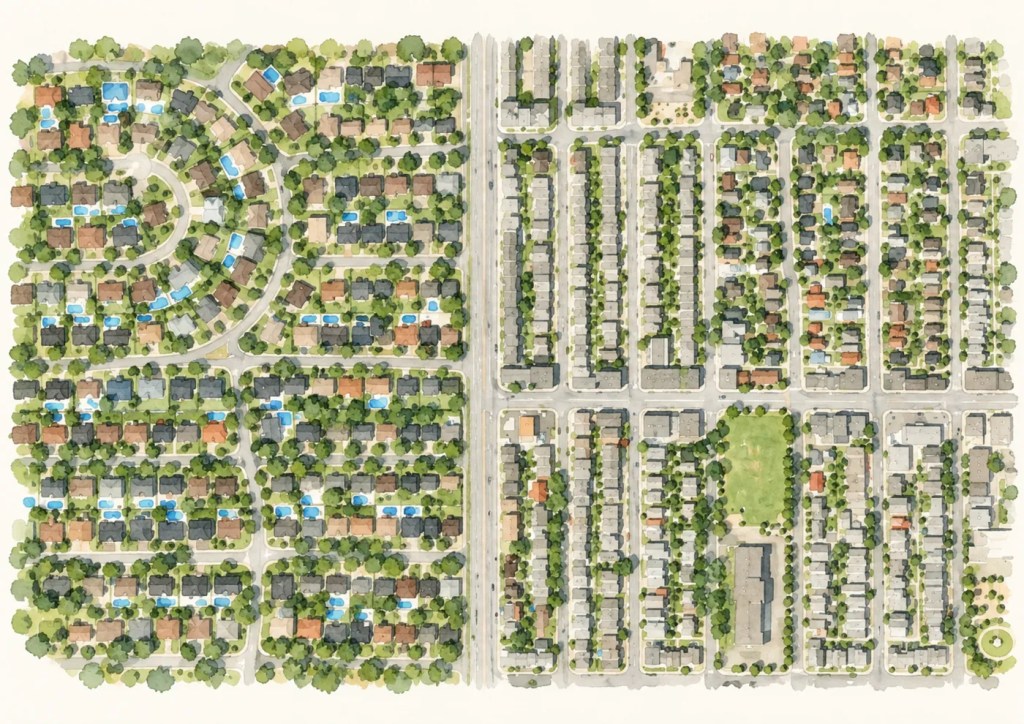
Eco-justice education asks who gets green space, who decides, and who pays. What it looks like with young students, without the doom.
-
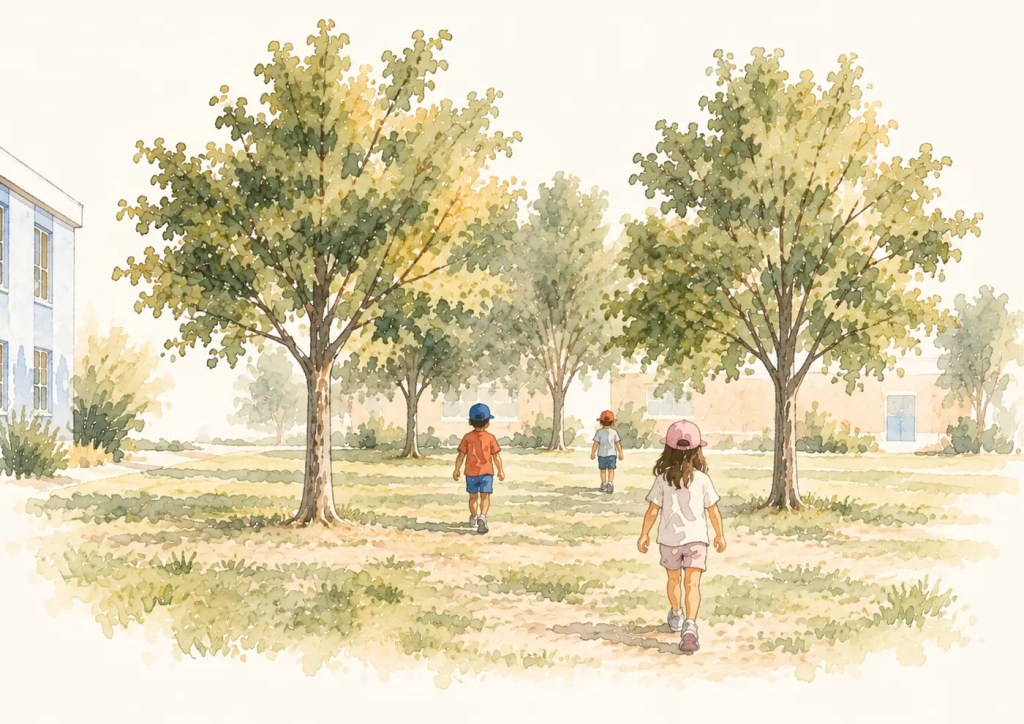
Forest school: the same group in the same natural place, week after week, play leading, educator following. What it is and what a schoolyard can…
-
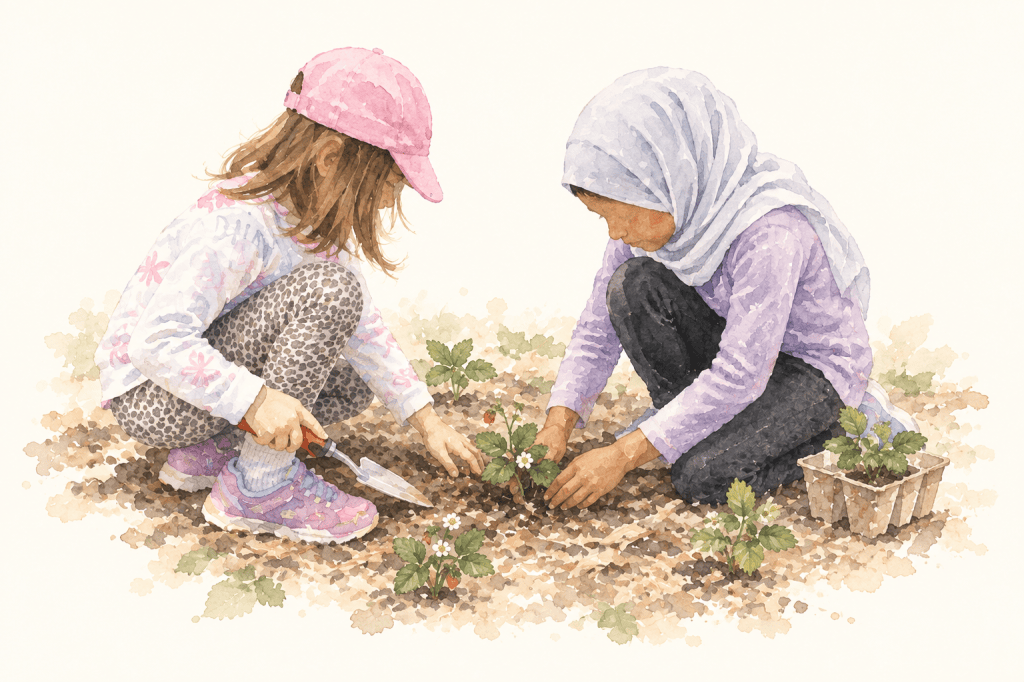
Deepening your outdoor practice means letting students’ questions lead and co-creating success criteria, while you stay accountable to the curriculum.

