Reggio Emilia is a city in northern Italy whose municipal preschools, built in the decades after the Second World War, became some of the most admired early-learning settings in the world. Educators still travel there to study them. Reggio-inspired means borrowing three ideas from the preschools of Reggio Emilia, Italy: the capable child, the environment as the third teacher, and documentation that makes learning visible.
Real training exists through Reggio Children in Italy, the North American Reggio Emilia Alliance, and provincial groups like the Ontario Reggio Association. You do not need certification to incorporate any of these principles.
Which Reggio ideas can you use outside?
The child is capable. In Reggio thinking, the child is a person with ideas worth taking seriously. On the yard, that can mean they are capable learners, can carry the equipment, and can negotiate the rules themselves.
The environment is the third teacher. The phrase is usually credited to Loris Malaguzzi, and it means the space itself does some of the teaching. In Reggio schools, educators arrange the room to invite thinking: light, materials, beauty, care. Nobody arranged your schoolyard, yet students still find interesting things: a pill bug curled up under a flipped rock, ice where yesterday there was a puddle.
Documentation makes learning visible. Reggio educators photograph, transcribe, and display children’s thinking so it can be revisited and taken seriously. Outside, that is you with a clipboard or a camera, catching what a student said at the fence or what the build looked like before the wind took it apart. The point is not scrapbooking. Most of what students say and build outside is gone by the next bell unless someone writes it down.
Field Note
The thing under the rock is breathing through its skin
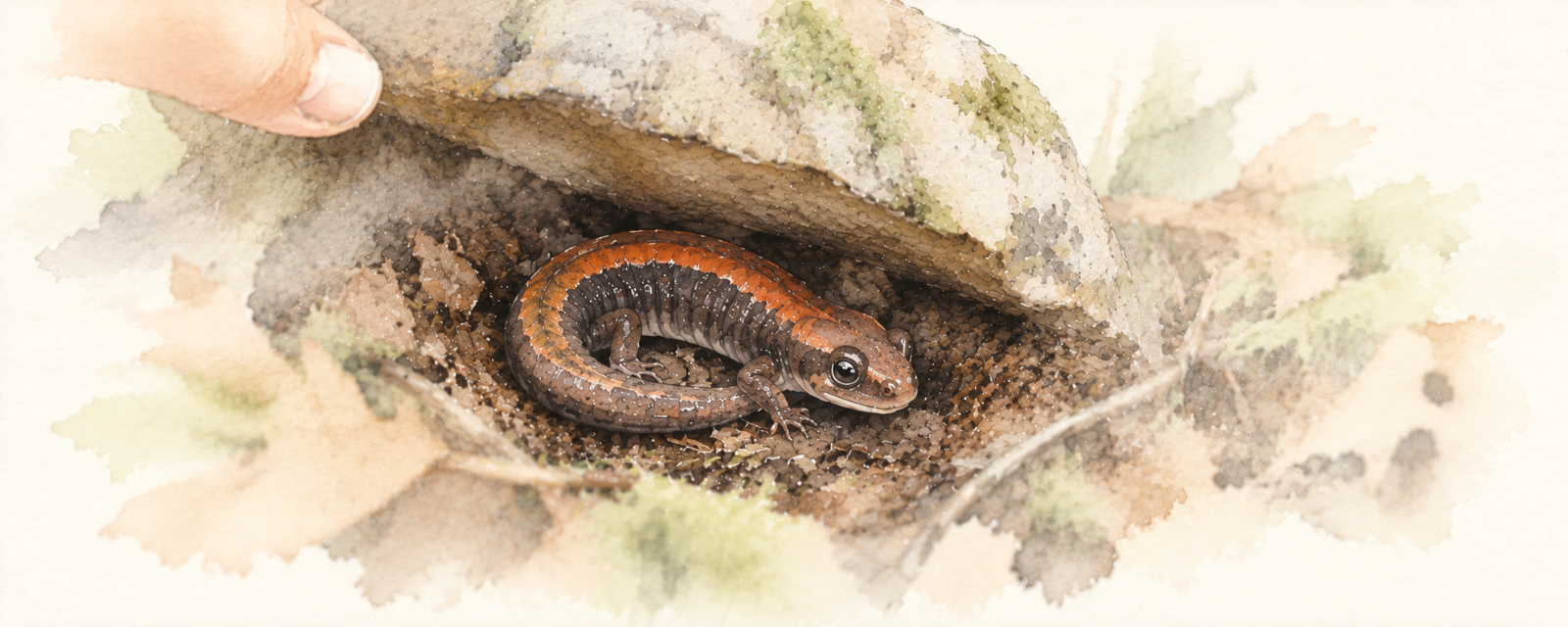
Lift a rock or an old log in a damp, shady corner, or in the green space next to the school, and you might turn up an eastern red-backed salamander, the most common one in Ontario. It has no lungs at all. It breathes entirely through its skin, which only works while the skin stays damp.
That is why it hides under things and disappears in dry weather, and why you slide the rock back exactly as you found it. Cool and damp under there is not empty space; it is somebody’s whole house.
Sources: Toronto Zoo, Adopt-a-Pond species guide · Ontario Nature, Reptile and Amphibian Atlas
What is a provocation?
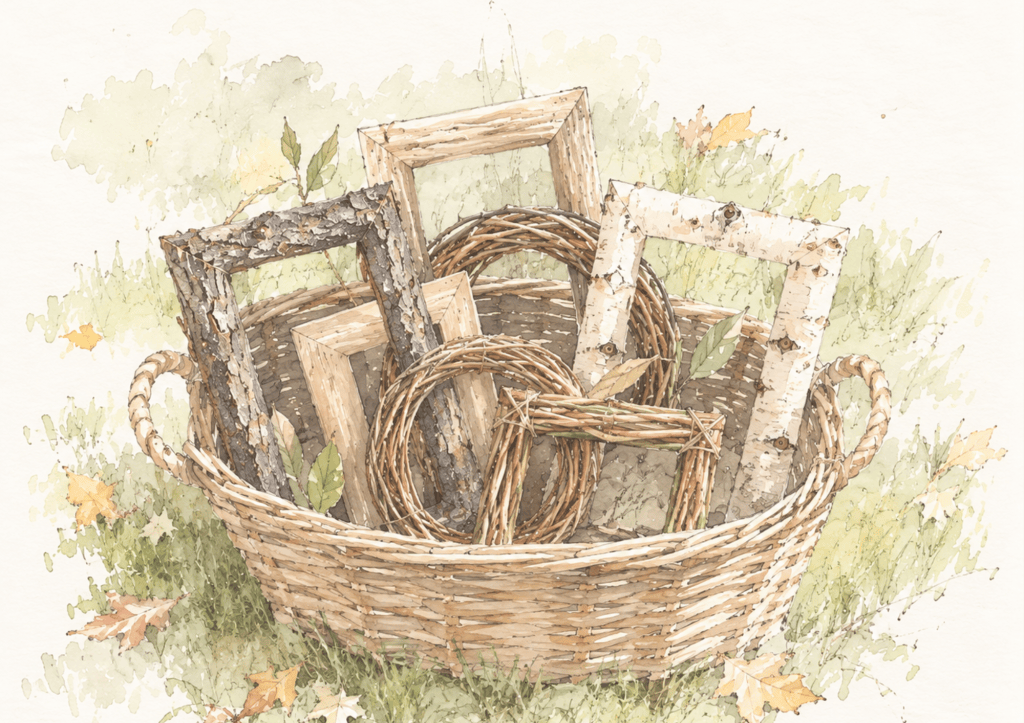
A provocation is something a teacher puts out on purpose to invite investigation without giving the answer: an object, a question, a story, a pile of one material. If your students can only answer it one way, you have planned an activity instead.
Following students’ interests into work you did not plan is the same instinct, and I write about it in What Is Emergent Curriculum?.
Where does this get hard?
To work this way, you need some tolerance for the unplanned, and most timetables are not built for that. You also need real time to write things down. Borrow at the pace your week allows. The wider case for teaching outside is in Outdoor Learning on a Schoolyard: The Big Idea.
What is a good first provocation?
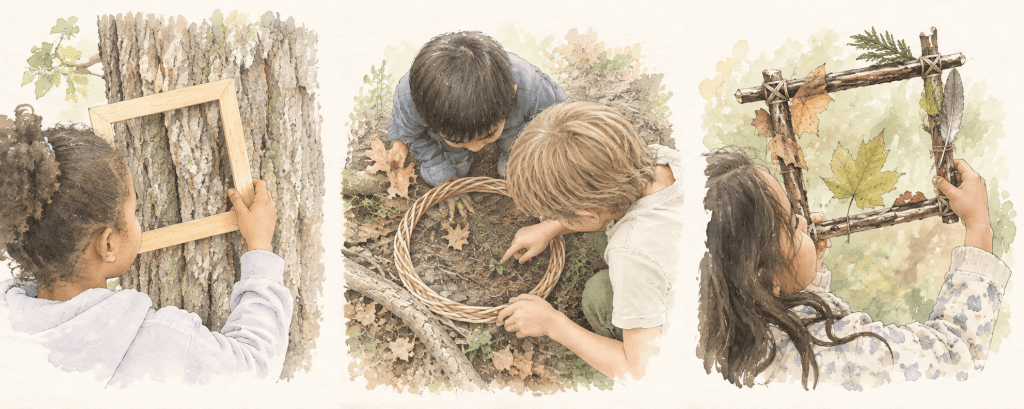
Think of one thing you can place at your gathering spot: a mystery object, or a question written in chalk, a collection of loose parts. Then hang back and notice what your students do with it.
Questions teachers ask
How is Reggio different from Montessori?
Both take the student seriously. Montessori teachers prepare a sequence of materials with intended uses. Reggio educators set up open environments and follow the investigations that come up. Outside, both approaches work.
Is Reggio-inspired practice the same as Forest School?
No. Reggio is an early-childhood philosophy. Forest School is a specific outdoor practice with its own training and certification. They share child-led inquiry, which is why teachers often borrow from both. I go into the differences in What Is Forest School?.
Do I need an atelier (the art studio in a Reggio school) or special materials?
No. A yard, a clipboard, and one provocation are enough to start. The materials that matter most are open-ended, and most of them are free. If you want the play-first version of the same thinking, start with Play-Based Learning Outdoors: What It Looks Like After Kindergarten.


Leave a comment